Gyogyo and Ubamegashi Trail
Gyogyo and Ubamegashi Trail
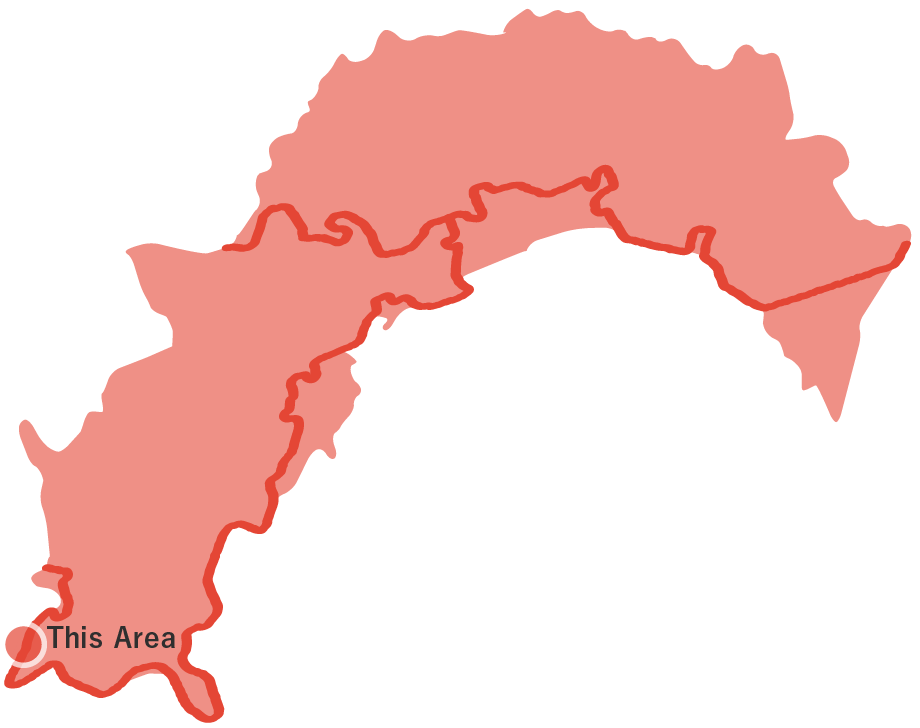
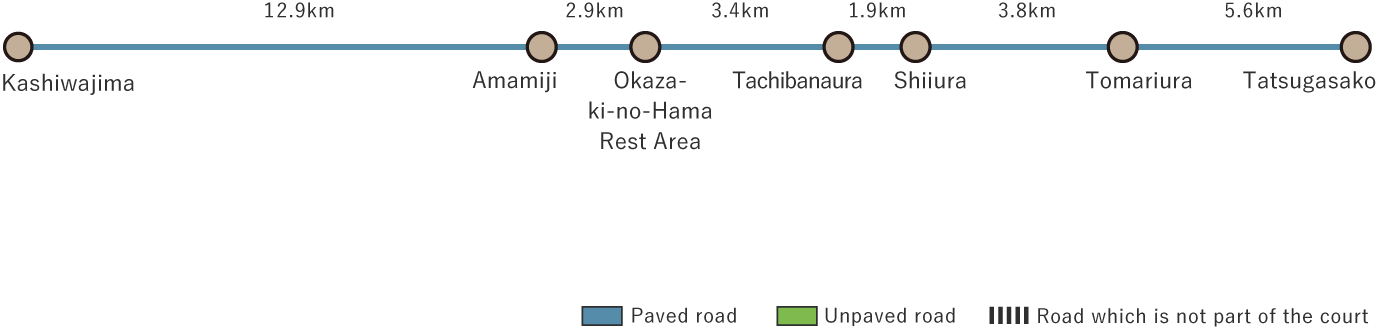
Gyogyo and Ubamegashi Trail is a 12.0-kilometer coastal route circling the fishing ports from Amamiji to Tomariura. Otsuki Town has long flourished as a fishing community. In Tachibanaura and Tomariura, aquaculture rafts for yellowtail and sea bream dot the sea. The square boxes atop the rafts are automatic feeders. By adjusting the amount and timing of feed by growth stage and environmental factors like water temperature, efficient and high-quality aquaculture is achieved. Otsuki Town is also blessed with an environment ideal for ubame oak, the raw material for binchotan charcoal, which been designated as the town's official tree. At Tsuruba-no-Hana, a pure forest of ubame oak stretches across the landscape, creating a serene space wrapped in deep greenery and tranquility.
Gyogyo and Ubamegashi Trail(12.0km)


※下記表はスクロールしてご覧ください。
 Spots to photograph
If you wish to receive a certificate, please take a photo that includes yourself at the designated photo point for each course.
Nearby sightseeing spots
-
1
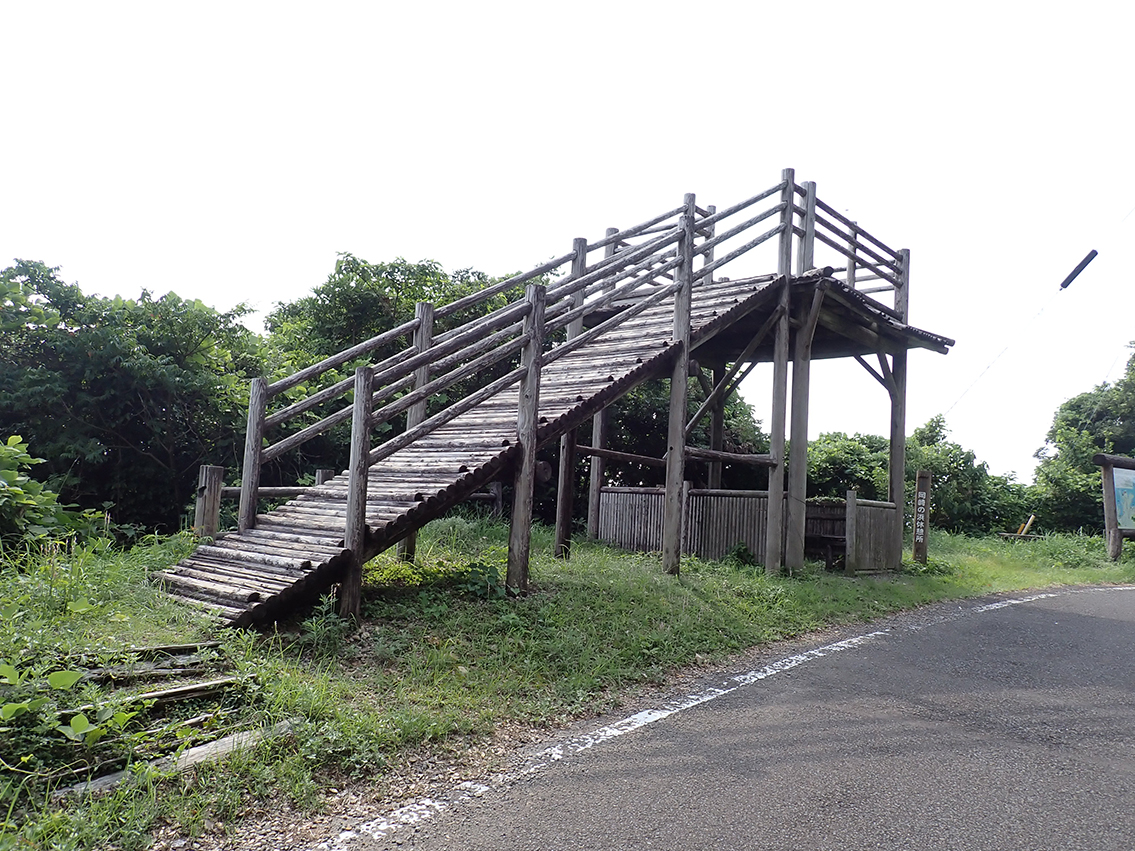 The Okazaki-no-Hama Rest Area
The Okazaki-no-Hama Rest Area uniquely combines a rest area and observation deck in one spot. From the observation deck, enjoy a spectacular panorama, including Cape Kannonzaki jutting into the Bungo Channel and Uguru Island, offshore from Sukumo City.
-
2
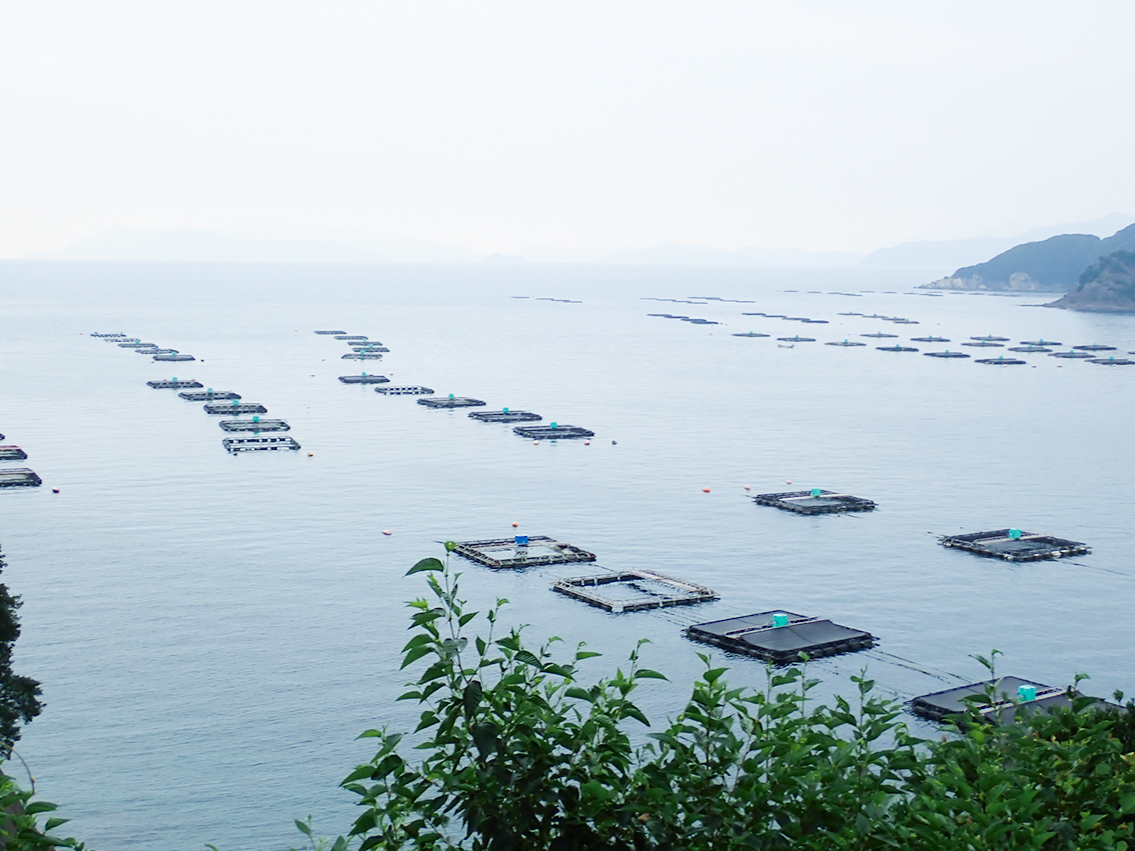 Aquaculture raft
Aquaculture thrives in Otsuki Town, especially for yellowtail and sea bream. Fish-farming rafts dot across the surface of the sea. The square boxes on the rafts are automatic feeders, adjusting the amount and timing of feed based on the fish's growth stage and water temperature. This system helps reduce waste and lower costs.
-
3
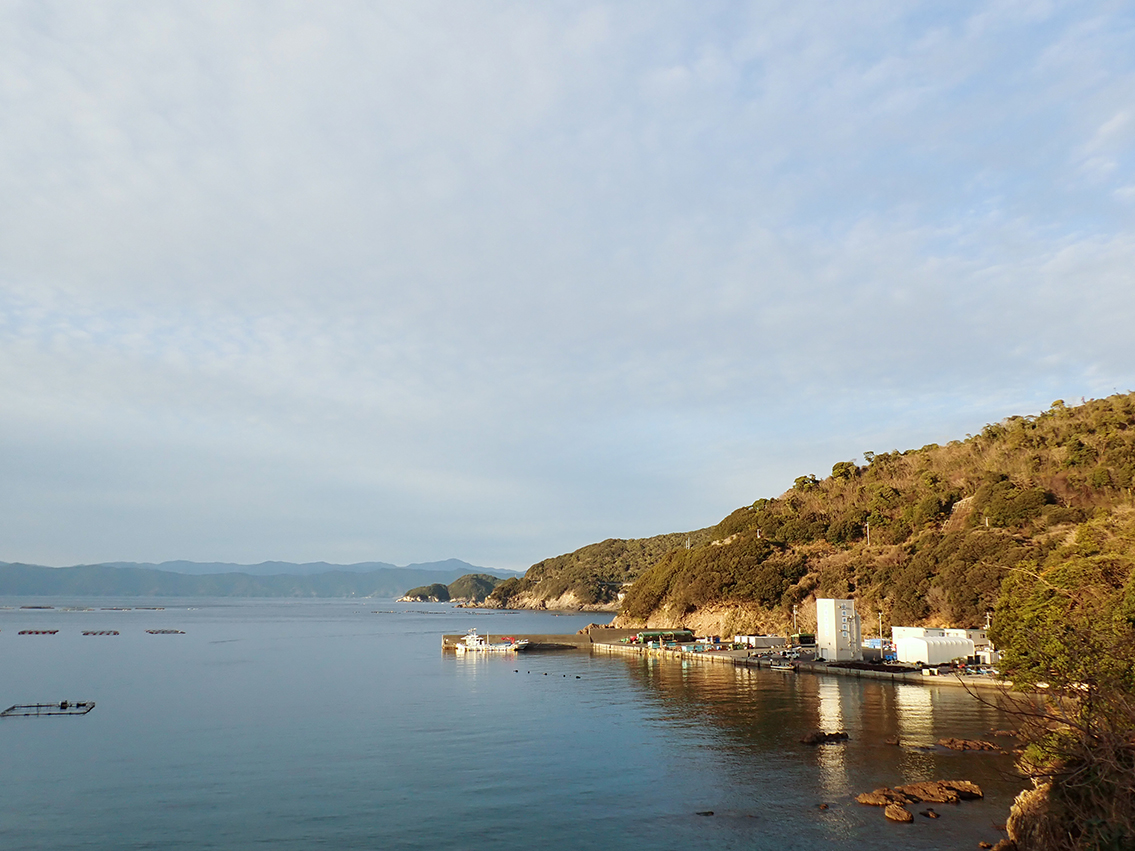 Pure Forest of Ubame
At Tsuruba-no-Hana, a pure forest of ubame oak spreads across the landscape, with trees on the seaward side appearing as if nature has carefully trimmed them by hand. Otsuki Town's climate is perfect for ubame oak, the source of prized Tosa binchotan charcoal, which is produced in abundance here. Ubame oak, designated as the town tree of Otsuki, is cherished as a symbol of the community.